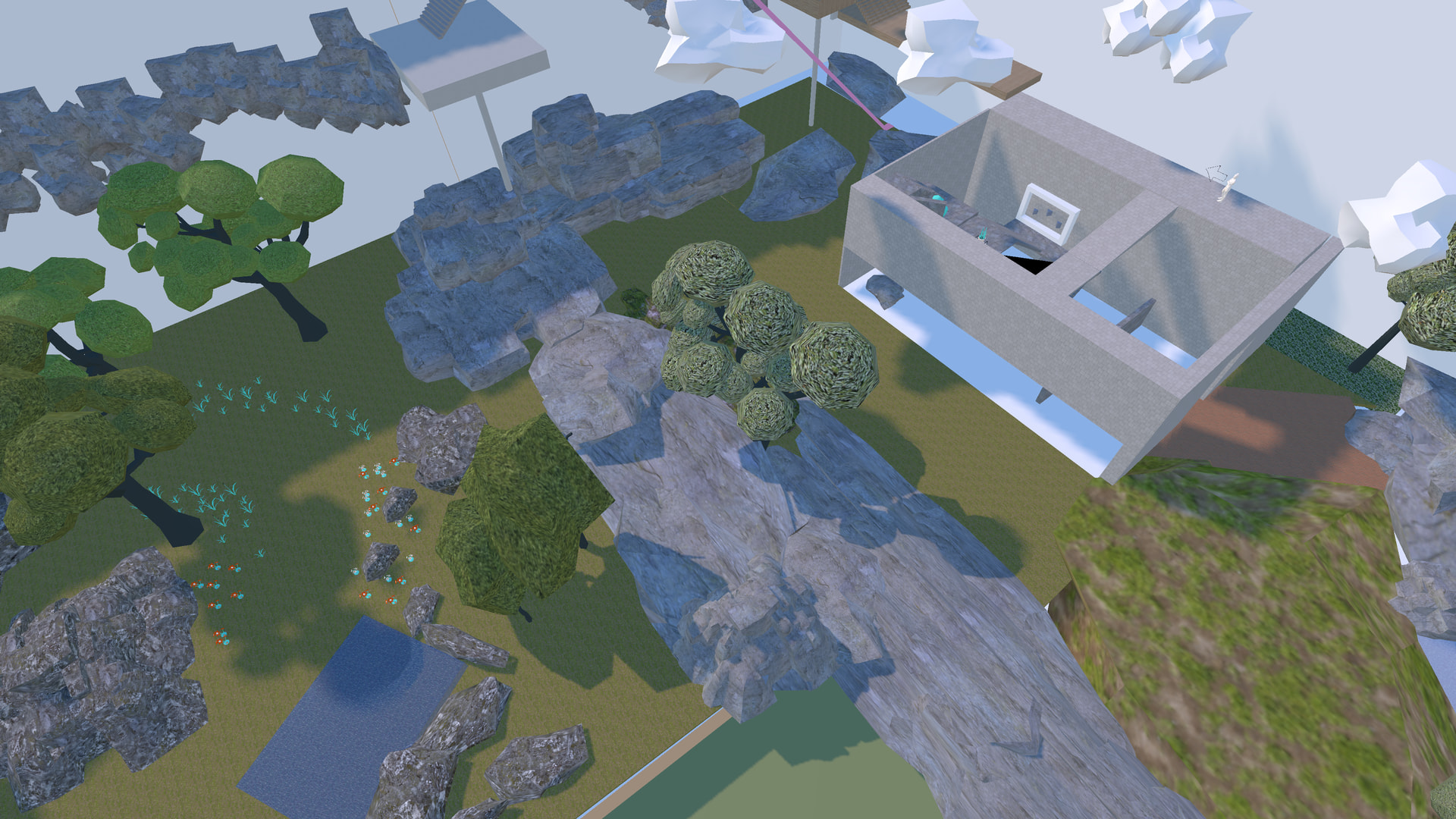
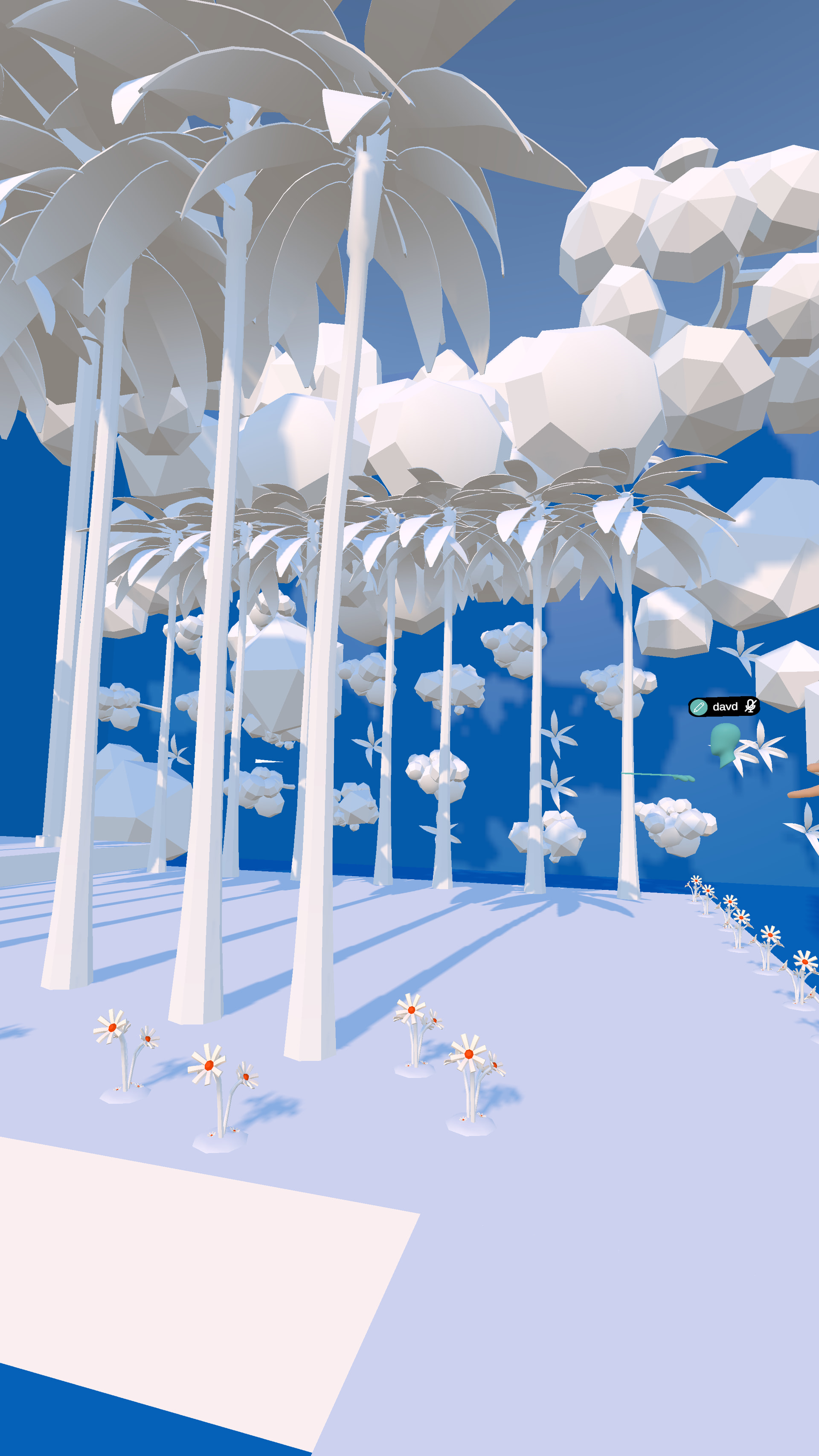
Last year in the Reality Check course at the Boston Architectural College, students explored architecture in mixed reality using Arkio through a midterm assignment focused on designing a continuous virtual path. The goal was to connect three distinct points A, B, and C while thinking carefully about movement, sequence, and spatial experience. Rather than designing isolated objects, students were challenged to design a journey.
The project unfolded over two weeks in two phases. Students first developed Path A-B, focusing on form, scale, and how a person moves through space. They then extended their work from B-C, refining transitions and ensuring the entire path felt cohesive and intentional. By the end, each student produced a continuous, navigable environment that could be experienced at full scale in VR.

What made this assignment powerful was how Arkio allowed students to design from the inside out. Walking through their spaces in real time helped them understand proportion, pacing, and spatial relationships in a way that drawings alone cannot fully convey. Many discovered that decisions about width, height, and sequence changed once they experienced their designs at human scale, leading to thoughtful revisions and stronger results.
This exercise emphasized creativity, technical proficiency, and problem solving, but most importantly it encouraged students to think of architecture as an experience rather than an object. Designing a path means designing anticipation, movement, and moments of pause. Seeing students experiment, iterate, and present their immersive environments was a reminder of how mixed reality is opening new ways to teach, learn, and imagine architecture.